


Each season brings a new crop of swimwear startups armed with polished mood boards, a decent social media following, and almost no hands-on production experience. Most discover quickly that great design counts for little once things fall apart on the factory floor.
The labels that survive past their debut season usually have one habit in common — they treated sourcing as a priority from the start, not something to figure out later. Locking down the right swimsuit manufacturer early is frequently what separates a brand that grows steadily from one that trips up after its first run.
Why Picking the Lowest Quote Backfires
Tight budgets push many founders toward whichever quote is cheapest, and that’s understandable. But cost alone doesn’t reveal much. A bargain price can be hiding thin fabric, loose stitching, or corners cut on elastic and lining — issues that only surface once customers wear the item and start sending it back.
A better strategy is weighing quotes against actual sample quality instead of numbers on a page. Paying a bit more for a factory that consistently delivers solid pieces usually pays off, since fewer returns and less brand damage add up to real savings.
Why Skipping Samples Is a Costly Shortcut
In their hurry to launch, some brands jump straight from a factory’s portfolio or photos into a production run, skipping proper sampling altogether. Few shortcuts cost more. Swimwear fabric reacts differently depending on the blend, and a factory’s past output says nothing about how well they’ll handle your particular design.
Getting at least one physical sample made, testing it in water, and checking its durability after repeated stretching and washing can expose problems long before they become a stockroom of unsellable stock.
The Overlooked Question of Fabric Transparency
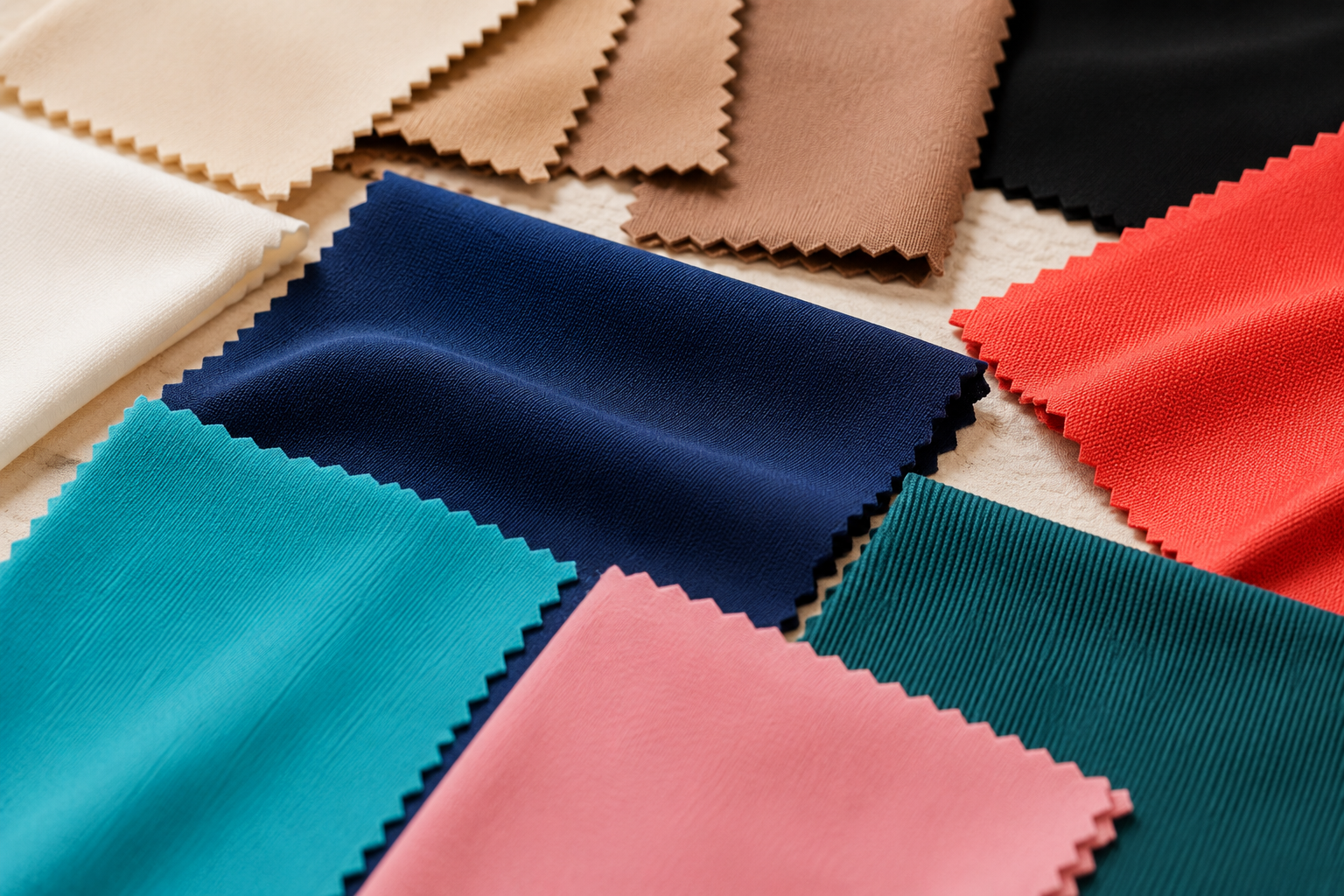
Plenty of founders assume swim fabric is more or less interchangeable, but quality, chlorine resistance, and UV protection vary widely depending on origin and finishing process. Brands that press for specifics on fabric composition, source, and testing standards typically end up with sturdier products.
This becomes even more important for brands building their identity around sustainability or performance, since evasive answers about fabric sourcing usually signal that quality control isn’t a strong suit at that factory.
The Trap of Ignoring MOQs
Some new labels sketch out a full first collection before ever checking minimum order quantities across factories. They then end up either trimming their vision or committing to a production volume that outpaces their budget or storage capacity.
Sorting this out early — before locking in colorways and styles — gives founders a realistic sense of what their debut collection can actually look like. Some manufacturers will flex on minimums for new brands, particularly when designs share similar base patterns across colors, so it’s worth asking rather than assuming the number is set in stone.
Why Communication During Sampling Matters
Founders often zero in on cost and turnaround while overlooking how a factory communicates. The smoothest production experiences tend to belong to brands that paid close attention to responsiveness and clarity during sampling.
A factory that’s slow to respond or vague about timelines and fabric options before any money has changed hands will likely behave the same way once you’re deep into production. Clear, proactive communication at the sampling stage is a strong early indicator of what the working relationship will look like.
Quality Control Isn’t Just a Final Step
Some brands assume quality checks only happen at the end, right before shipping. The strongest factories actually build in checkpoints throughout — after cutting, after initial stitching, and before final packing.
Asking about this process during vetting significantly lowers the odds of receiving a batch with sizing inconsistencies or stitching flaws that only get noticed after the product has reached customers. It’s a small question to ask, but one many founders forget until it’s too late.
Accounting for Seasonal Lead Times
Because swimwear is inherently seasonal, lead times can balloon during peak periods when factories juggle orders from multiple brands at once. New labels sometimes plan their launch date backward without leaving room for fabric shortages or factory backlogs.
Padding the timeline with a few extra weeks, and getting realistic estimates straight from the manufacturer rather than relying on general industry norms, helps avoid the last-minute rush that often leads to rushed, lower-quality output.
Tapping Into Other Brands’ Experience
One resource founders rarely use enough is simply talking to other swimwear brands — especially smaller ones who’ve recently gone through the sourcing process themselves. These conversations often surface details a factory’s sales pitch would never mention: real turnaround times, how open they are to revisions, or how they handle things when production goes wrong.
A single conversation with someone who’s already made these mistakes can save months of trial and error.
Final Thoughts
The brands that dodge costly sourcing mistakes aren’t necessarily the best-funded ones. They’re the ones asking the right questions early, testing before committing, and approaching the manufacturing relationship as a long-term partnership rather than a one-off deal. Getting this right won’t guarantee success overnight, but getting it wrong almost always creates problems that are expensive and slow to undo later.

