


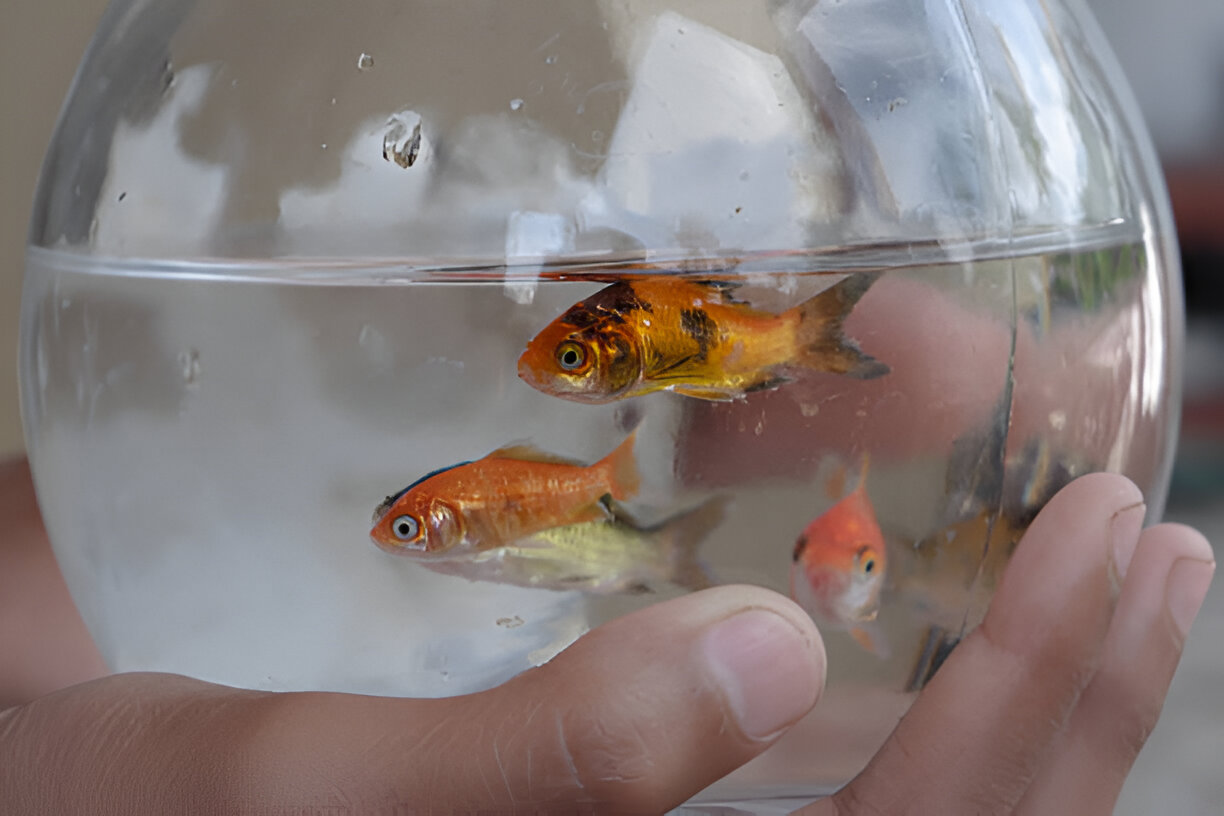
Goldfish are believed by many to have short-term memory loss for a few seconds. This misconception has been propagated through popular culture, where goldfish serve as the emblem of forgetfulness. However, goldfish memories present a more detailed and interesting picture than this simple belief would suggest. In this report, we will reveal the truth about goldfish memories, examine scientific studies on them, and deflate common myths that surround these fascinating creatures.
The Truth Behind Goldfish Memory
Contrary to popular knowledge, goldfish are not as poor at remembering what people think they are. Research has shown that goldfish can actually retain information much better than was previously assumed. Some specific tricks that have been taught include recognizing one’s own image in the mirror or locating one’s food source whenever hungry.
The Scientific Research on Goldfish Memory
Numerous research studies have examined the memory capabilities of goldfish. One particular study by Gupta et al. (2008) revealed that over five months, goldfish successfully recalled the locations of food from previous feedings. Similarly, Wilson et al. (2005) conducted a study where human face recognition memory persisted for several months.
In conclusion, it is clear that many people mistakenly believe that goldfish have a memory span of only a few seconds. However, various experiments have confirmed that these fish possess spatial learning abilities, associative learning skills, and the capability to recall specific cues and stimuli.
Factors that Affect Goldfish Memory
It should be noted, however, that, like other organisms, memory for fishes is subject to several factors, such as environmental conditions like water quality, temperature, and the presence of other species in influencing its cognitive function, as suggested by Schnur (2013). Additionally, the age and overall health of the goldfish can also impact their memory capacity.
Goldfish Memory Compared to Other Species
Goldfish memory span is quite exceptional, especially when compared to other animals. For instance, there is evidence that, at times, goldfish have a better memory than some mammals, including rats. Goldfish memory is not as extensive as those found in the highest vertebrates, such as primates, but this does not negate the fact that they show a level of cognitive complexity that has been traditionally associated with them.
Tips for Improving Goldfish Memory
There are several things you can do if your pet fish happens to be a goldfish to help improve its memory and cognitive abilities. Some of these include making sure it has plenty of places for hiding, environmental enrichment toys like caves or live plants, always changing the objects inside the goldfish tank regularly, and also carrying out regular maintenance practices such as changing water and cleaning air stones regularly. Also, consistency in feeding times will help your pet keep most information in mind.
Common Misconceptions About Goldfish Memory
Despite a growing body of scientific evidence, the myth of goldfish having poor memory persists. There are still many people who believe that goldfish have just a few seconds of short-term memory and they can’t learn or remember anything at all. It is not only an inaccurate belief, but it also fails to appreciate the full cognitive capabilities of these fascinating creatures.
Debunking the Myths: Goldfish Memory in Popular Culture
The myth of the goldfish’s forgetfulness has been perpetuated in various forms of popular culture, from movies and television shows to memes and jokes. However, as we’ve seen, this portrayal is far from the truth. It’s important to recognize that these depictions are often exaggerated or oversimplified and do not accurately reflect the actual memory capabilities of goldfish.
Goldfish Memory in Captivity
In fact, some captive goldfish species, like those kept in aquariums or ponds, show even greater abilities when it comes to record keeping. For instance, with consistent care and stimulating surroundings, captive goldfish may even recognize their “owners,” locate food sources and learn simple tricks. This means that for the cognitive capacities of goldfish to flourish, they need adequate care and conditions.
Conclusion
To sum up, scientific studies have dispelled this myth about goldfish’s poor memory. Apparently, prior conceptions that suggested these animals had fragile memories are not true. Goldfish have more durable memories than previously thought, which enables them to learn different things and cues over time. In contrast to higher vertebrates, which have larger memory capacities, goldfish are hardly forgetful, contrary to their portrayal in popular culture.

