


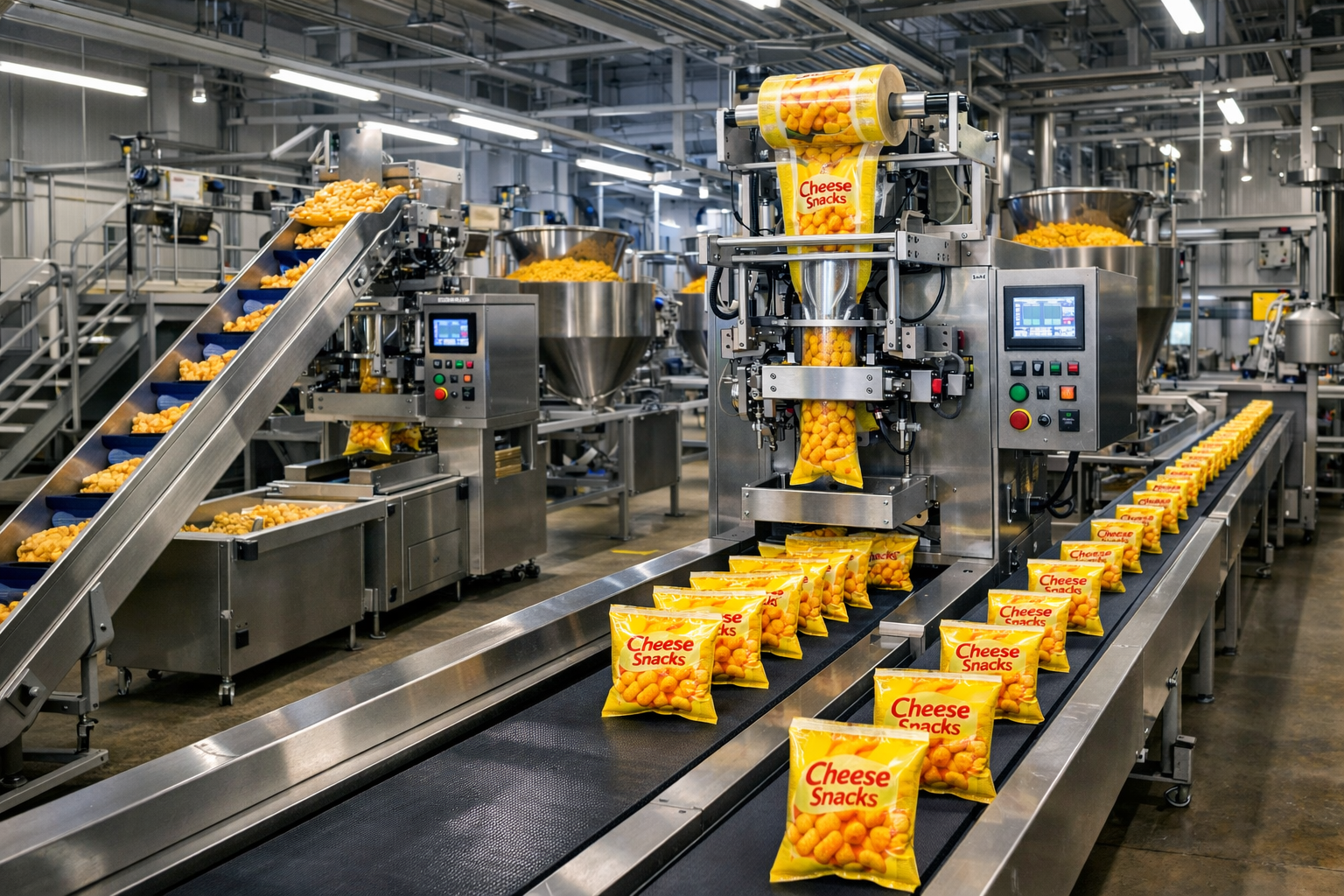
Food producers face a constant challenge: once products leave the processing stage, they must remain safe, stable, and visually appealing until they reach the consumer. Time, temperature changes, moisture, and handling during transport all affect product quality. Packaging technology addresses these issues by creating controlled environments around food products while preparing them for storage and distribution. For manufacturers operating at scale, packaging systems are not simply the final step in production. They are a functional part of product protection and supply chain stability.
Many production facilities begin improving their operations by implementing an advanced food packaging solution designed to match product characteristics, packaging materials, and line speed. When packaging technology is aligned with production requirements, manufacturers gain better control over product freshness and distribution efficiency.
The Link Between Packaging and Food Preservation
Freshness does not depend solely on refrigeration or preservatives. Packaging plays a direct role in slowing the processes that cause food to deteriorate. Exposure to oxygen, moisture, and microbes can shorten shelf life significantly.
Modern packaging systems reduce these risks by sealing products in controlled environments. Air removal, protective gases, and moisture-resistant materials help maintain the original quality of food items after they leave the production line.
The effectiveness of these systems depends on precise machine operation. Accurate filling, reliable sealing, and consistent packaging material handling ensure that every unit leaving the line receives the same level of protection.
Protecting Food Products During Transport
Distribution exposes packaged food to multiple handling stages. Products move from factories to warehouses, then to retailers or distribution hubs. Each step increases the risk of damage if packaging is not properly designed.
Packaging technology reduces these risks through carefully engineered packaging formats. Flexible pouches, sealed trays, and reinforced cartons protect products from compression, vibration, and environmental exposure.
Machines that form and seal these packages ensure that structural integrity remains consistent across thousands of units produced each hour.
Controlled Atmosphere Packaging
Many food items deteriorate when exposed to oxygen. Controlled atmosphere packaging systems reduce oxygen levels inside the package while introducing protective gases such as nitrogen or carbon dioxide.
This approach slows the growth of bacteria and delays oxidation, helping maintain flavor, texture, and appearance. Snacks, baked goods, fresh produce, and ready-to-eat meals often rely on this type of packaging.
Packaging machines equipped with gas-flushing capabilities perform these adjustments automatically during the sealing process, ensuring uniform preservation across all packages.
Temperature Stability and Packaging Materials
Even when food is refrigerated or frozen, packaging materials influence temperature stability. Thin or poorly sealed materials allow temperature fluctuations that can affect food quality.
Modern packaging equipment supports the use of specialized films and multilayer materials designed to provide thermal resistance and moisture control. These materials help maintain consistent conditions within the package as products move through refrigerated supply chains.
The machinery must handle these materials carefully to avoid damage while maintaining accurate sealing temperatures.
Hygiene and Contamination Control
Food packaging environments must meet strict hygiene standards. Packaging machines are built with sanitation in mind, using smooth surfaces, stainless steel construction, and components designed for easy cleaning.
Automated packaging reduces direct human contact with food products after processing. Once products enter the packaging line, machines handle filling, sealing, and labeling tasks without manual interference.
This controlled environment lowers the risk of contamination while improving consistency in packaging quality.
Speed and Efficiency in Food Packaging Lines
Food manufacturing often operates continuously to meet market demand. Packaging technology must keep pace with production output to prevent delays.
High-speed packaging machines perform multiple operations within a single cycle. A package may be formed, filled, sealed, and discharged within seconds. This continuous operation ensures that products move quickly from production to storage.
When packaging speed matches processing capacity, production lines remain balanced and efficient.
Packaging Accuracy and Product Consistency
Uniform packaging improves both consumer trust and logistics efficiency. Packaging technology maintains this consistency by controlling portion sizes, seal strength, and package dimensions.
Sensors and automated monitoring systems track machine performance during operation. If the machine detects a deviation in weight, sealing temperature, or material alignment, adjustments can be made immediately.
This level of control helps manufacturers avoid defective packaging that could compromise food quality during distribution.
Packaging and Supply Chain Readiness
Food products must travel long distances before reaching store shelves. Packaging technology prepares products for this journey by organizing them into distribution-ready units.
After individual packages are sealed, secondary packaging systems group them into cartons or trays. These units are then palletized and wrapped for safe transportation.
This structured packaging process simplifies warehouse storage and improves efficiency in distribution centers.
Sustainability in Food Packaging Operations
Packaging design increasingly reflects environmental concerns. Food manufacturers are exploring ways to reduce packaging material usage while maintaining product protection.
Modern packaging machines can handle thinner films, recyclable materials, and biodegradable packaging formats. These adjustments help reduce waste without sacrificing package strength or sealing reliability.
By supporting sustainable materials, packaging technology contributes to environmentally responsible production practices.
Preparing Food Products for Retail and Consumer Use
Beyond preservation and transport, packaging must also present products in a way that attracts customers. Clear labeling, visible packaging, and convenient opening features influence purchasing decisions.
Packaging systems integrate labeling equipment and printing systems that apply product information, expiration dates, and tracking codes during the packaging process.
The result is a finished product that meets both regulatory requirements and consumer expectations.
Why Packaging Technology Matters in Food Manufacturing
Food production extends far beyond processing ingredients. Once food is prepared, it must be protected from spoilage, contamination, and physical damage until it reaches the consumer. Packaging technology provides the tools needed to maintain these protections throughout the distribution process.
By combining precise filling systems, reliable sealing technology, controlled atmospheres, and efficient material handling, modern packaging equipment allows manufacturers to maintain product quality from the factory floor to retail shelves. In an industry where freshness and safety are critical, packaging technology remains a central element in the journey from production line to consumer table.

